 by
by Introduction
Immune Foods often linger in the background of daily life, quietly doing their work while attention drifts elsewhere. They rarely demand praise. Still, they stand watch, much like a vigilant sentinel guarding a city long after the lights have dimmed.
Your immune system does not wake up only when sickness knocks at the door. It remains alert around the clock, reacting to sleep patterns, emotional strain, hydration levels, physical movement, and—most importantly—your immune foods choices. In many ways, the fork becomes a steering wheel, subtly directing your health’s course.
This is not a story about shortcuts or miracle solutions. It is a grounded conversation about ordinary Immune Foods, repeatable habits, and nourishment that steadily tilts the balance in your favor. If you have ever questioned how everyday ingredients can act as quiet protectors, you are exactly where you need to be.
How Diet Affects Your Immune System
Food is more than energy. It is instruction. Each bite delivers signals to immune cells, telling them either to fortify defenses or to lower their guard.
A nutrient-rich diet supplies immune cells with the essentials required to grow, coordinate, and neutralize potential threats. Vitamins such as C, D, and E function like protective armor. Minerals like zinc and selenium step in as repair crews. Antioxidants move through the body like watchful scouts, containing damage before it multiplies.
In contrast, diets heavy in refined sugars, ultra-processed meals, and synthetic additives resemble interference on a radio signal. They blur communication, ignite unnecessary inflammation, and slowly weaken immune efficiency.
Picture your immune foods system as a living garden. Tend it carefully, and it thrives with strength and balance. Ignore it, and disorder takes root.
For an in-depth scientific perspective, explore nutrition and immunity research from Harvard T.H. Chan School of Public Health:
Top Immune-Boosting Foods
Citrus Fruits
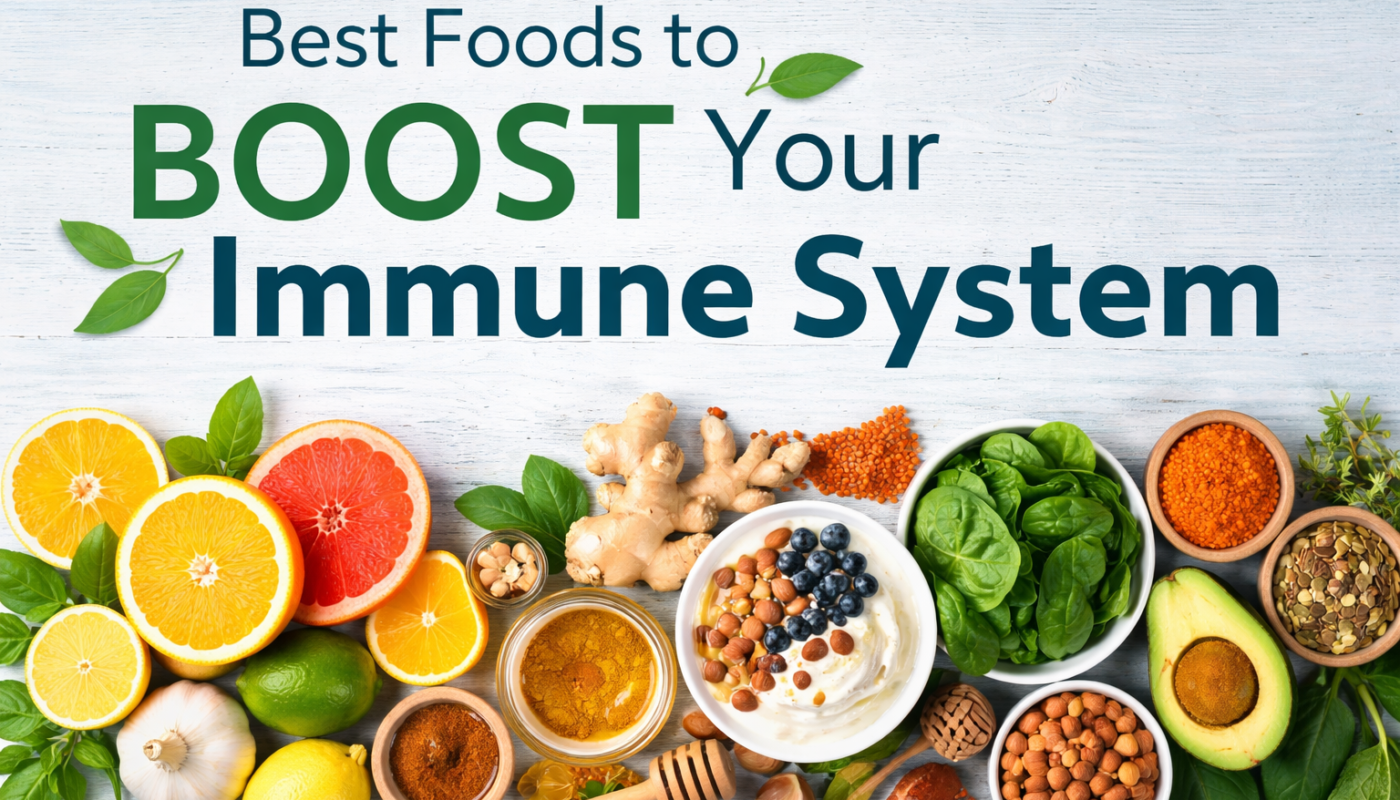
Citrus fruits usually enter the conversation first—and rightly so. Oranges, lemons, limes, and grapefruits overflow with vitamin C, a key player in supporting white blood cell production.
What often goes unnoticed is frequency. Vitamin C is water-soluble and exits the body quickly. An occasional glass of juice helps, but steady daily intake is where real impact forms.
Simple habit: Drop lemon slices into warm water each morning. It refreshes the palate and quietly supports immune readiness.
Citrus fruits also contribute hydration, a foundational yet overlooked pillar of immune health.
Leafy Vegetables
Leafy greens are nutritional giants wrapped in modest packaging. Spinach, kale, Swiss chard, and collard greens deliver an impressive mix of vitamins A, C, and K, along with fiber and folate.
Vitamin A deserves special attention. It helps preserve mucosal barriers—the body’s first checkpoint against invading pathogens. Strengthen the walls, and fewer intruders make it inside.
Gentle cooking often unlocks more benefits. A brief sauté with olive oil can enhance nutrient absorption more effectively than raw leaves alone.
For trusted vegetable nutrition guidance, visit EatRight.org by the Academy of Nutrition and Dietetics:
Garlic
Garlic carries history in its aroma. Ancient, sharp, and unassuming, it earns its immune reputation through compounds like allicin, released when garlic is chopped or crushed.
Allicin has been associated with improved immune responsiveness and reduced severity of common illnesses. Garlic does not demand attention; it accumulates benefits quietly through regular use.
Practical insight: Allow chopped garlic to rest for about ten minutes before cooking. This brief pause encourages allicin formation.
It is a reminder that small ingredients can wield unexpected strength.
Ginger
Ginger brings warmth that goes beyond flavor. Its anti-inflammatory and antioxidant qualities help calm lingering inflammation that can otherwise drain immune resources.
Equally important, ginger supports digestion. With a large portion of immune cells residing in the gut, digestive balance becomes inseparable from immune resilience.
Fresh ginger tea during cooler months offers comfort and strategy in one cup. It eases the body while reinforcing its defenses.
Yogurt
Yogurt introduces beneficial bacteria known as probiotics. These microorganisms help regulate immune communication in the gut, training immune cells to distinguish harmless substances from genuine threats.
Quality matters. Choose yogurts containing live and active cultures, and avoid options saturated with added sugars.
Experience-based tip: Plain yogurt topped with honey and nuts delivers better flavor and greater benefit than most pre-sweetened varieties.
Probiotics work through consistency, not immediacy. Their influence grows quietly over time.
Nuts & Seeds
Nuts and seeds pack substantial immune value into small portions. Almonds provide vitamin E, a fat-soluble antioxidant that shields immune cell membranes. Sunflower seeds contribute selenium; a mineral linked to stronger immune responses.
Healthy fats assist vitamin absorption and help regulate inflammation. Balance remains essential.
A modest handful each day suffices. Excess, even of healthy foods, softens the benefit.
For authoritative nutrition science, consult the National Institutes of Health (NIH):
Foods to Avoid When Building Immunity
Supporting immunity is not solely about addition; subtraction matters too.
Highly processed foods often carry refined sugars, trans fats, and artificial preservatives. These components can trigger chronic inflammation and blunt immune performance over time.
Sugary beverages deserve particular caution. High sugar intake can temporarily suppress white blood cell activity, leaving the body exposed when it needs defense most.
This approach does not demand strict perfection. It invites awareness. Occasional indulgence is part of life; routine excess is where the cost appears.
Conclusion
Immune Foods do not guarantee invulnerability. What they offer is steadier and far more valuable—resilience.
Each choice matters. Citrus instead of soda. Greens instead of empty calories. Yogurt in place of sugar-heavy snacks. These decisions stack quietly, day after day, forming a durable foundation.
Your immune system listens carefully to what you eat. Nourish it with intention, and it answers with dependable strength.
Enjoyed this article?
Please Share it with friends, bookmark this page, and visit again for more helpful fitness and health tips.
Health is rarely built in dramatic moments. More often, it grows from small, repeated choices—one plate at a time.