 by
by Introduction
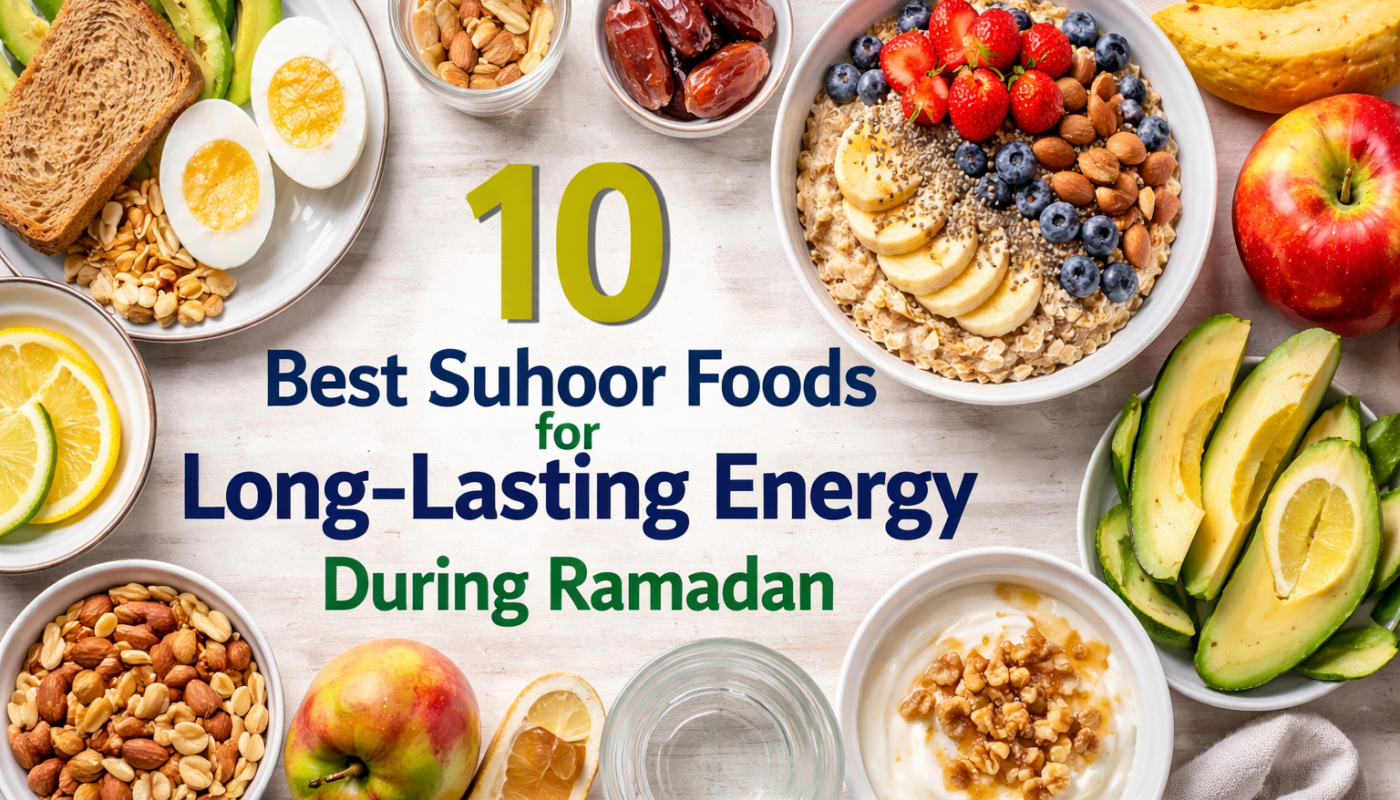
Best Suhoor Foods for Long-Lasting Energy During Ramadan can make the difference between a smooth, productive fast and a draining day filled with fatigue. During Ramadan, the body experiences a unique rhythm: eating shifts to nighttime, hydration windows become limited, and energy must be carefully preserved.
Suhoor — the quiet pre-dawn meal — is more than just breakfast eaten earlier than usual. It is a strategic moment to nourish the body before the long stretch of fasting begins. What you place on your plate during Suhoor influences how you feel hours later: whether your concentration remains sharp or your energy collapses before noon.
Many people assume Suhoor simply means “eat something quickly before Fajr.” Yet thoughtful food choices transform this meal into a powerful source of stamina. When composed wisely, a Suhoor plate stabilizes blood sugar, keeps hunger manageable, and prevents extreme thirst throughout the day.
In this guide, we will explore Best Suhoor Foods for Long-Lasting Energy During Ramadan, practical eating habits, common mistakes to avoid, and simple strategies that help you fast comfortably while maintaining productivity.
Why Suhoor Matters During Fasting
Skipping Suhoor might seem harmless, especially when sleep feels more appealing than waking up early. However, the body functions differently during Ramadan, and neglecting this meal often leads to exhaustion later in the day.
A thoughtful Suhoor acts as the body’s fuel reservoir for the upcoming hours.
Maintains Stable Energy Levels
When fasting begins, the body gradually relies on stored nutrients. A balanced Suhoor ensures that energy releases steadily rather than crashing abruptly.
Slow-digesting foods provide a gentle, prolonged stream of fuel, allowing the brain and muscles to function efficiently for hours.
Reduces Hunger and Fatigue
Ever notice how some fasting days feel surprisingly easy while others feel unbearable? The explanation usually lies in Suhoor.
Meals rich in protein, fiber, and healthy fats digest gradually. This slows stomach emptying and keeps hunger signals under control.
Supports Hydration
Hydration cannot occur during fasting hours, so the body must rely on fluids consumed before dawn. Foods with high water content—alongside adequate drinking—help maintain hydration balance.
Improves Fasting Comfort
A thoughtful Suhoor doesn’t just provide calories. It promotes comfort: fewer headaches, reduced dizziness, and better concentration throughout the day.
According to guidance from the World Health Organization, balanced meals containing proteins, fiber, and complex carbohydrates help maintain metabolic stability during periods of limited eating.
You can explore additional nutrition guidance through the Harvard T.H. Chan School of Public Health nutrition resources:
Best Suhoor Habits
Choosing the Best Suhoor Foods for Long-Lasting Energy During Ramadan begins with smart eating habits. It is not only about what you eat but also how you structure the meal.
Let’s explore several habits that transform Suhoor into a powerful energy source.
Eat Protein-Rich Foods
Protein acts like the slow-burning coal of the body’s energy furnace. Unlike sugary foods that vanish quickly from the bloodstream, protein digests gradually and prolongs fullness.
Adding protein to Suhoor helps regulate hunger hormones and stabilize blood sugar levels.
Excellent protein choices include:
-
Eggs
-
Greek yogurt
-
Cottage cheese
-
Beans or lentils
-
Chicken or fish
-
Nuts and seeds
A simple yet nourishing Suhoor could be scrambled eggs, whole-grain bread, and yogurt with almonds. This combination supplies protein, healthy fats, and complex carbohydrates in one meal.
Protein also supports muscle maintenance—especially helpful for individuals who exercise during Ramadan.
Nutrition experts at Academy of Nutrition and Dietetics emphasize protein intake as a key component of sustained energy metabolism.
Choose Slow-Digesting Carbohydrates
Not all carbohydrates behave the same way inside the body.
Sugary pastries and refined white bread digest rapidly, causing blood sugar to spike and then collapse soon after. This leads to sudden fatigue and intense hunger.
Instead, prioritize slow-digesting carbohydrates, often called complex carbs.
These foods release energy gradually, like a candle that burns slowly instead of a spark that disappears instantly.
Some excellent Suhoor options include:
-
Oats
-
Whole-grain bread
-
Brown rice
-
Quinoa
-
Barley
-
Sweet potatoes
A bowl of oatmeal topped with nuts, chia seeds, and fruit is a remarkably effective Suhoor meal. It offers fiber, healthy fats, and long-lasting energy.
Research from the American Heart Association highlights the benefits of whole grains in stabilizing blood sugar and improving sustained energy.
Add Healthy Fats
Healthy fats are often misunderstood. Some people avoid them completely during Suhoor, assuming they will cause sluggishness.
In reality, beneficial fats enhance satiety and support steady energy release.
Healthy fats digest slowly, which keeps hunger at bay for extended periods.
Excellent fat sources include:
-
Avocados
-
Olive oil
-
Almonds
-
Walnuts
-
Peanut butter
-
Chia seeds
For example, whole-grain toast with avocado and eggs creates a beautifully balanced Suhoor plate.
The fats prolong fullness, while protein and carbohydrates maintain steady fuel levels.
Think of healthy fats as the anchor of a stable meal—they prevent the rapid energy swings that often occur with sugary foods.
Drink Enough Water
Hydration is the silent hero of a comfortable fast.
Even the most nutritious Suhoor meal will not prevent thirst if hydration is neglected.
During Suhoor, aim to drink two to three glasses of water. Spread them gradually rather than drinking everything at once.
Helpful hydration tips include:
-
Drink water slowly during Suhoor
-
Eat fruits with high water content
-
Avoid salty foods
-
Limit caffeine
Water-rich foods such as watermelon, cucumbers, oranges, and yogurt help maintain hydration during the day.
Caffeine, however, can increase fluid loss. Coffee and strong tea may worsen thirst later in the day.
Keep Suhoor Light but Balanced
A common misconception is that a massive Suhoor meal will sustain energy longer.
Ironically, overeating often creates the opposite effect.
Heavy, greasy meals slow digestion dramatically and may lead to bloating, fatigue, and poor sleep.
Instead, aim for balanced moderation.
A well-structured Suhoor meal should include:
-
Protein
-
Complex carbohydrates
-
Healthy fats
-
Hydrating foods
Here is a simple example of a balanced Suhoor plate:
-
Oatmeal with almonds and fruit
-
Boiled eggs
-
Yogurt
-
Two glasses of water
This meal is filling yet gentle on the stomach.
Suhoor Mistakes to Avoid
Even with good intentions, certain habits quietly sabotage fasting comfort.
Recognizing these mistakes can dramatically improve your Ramadan experience.
Skipping Suhoor
Some people choose extra sleep instead of eating before dawn.
While tempting, skipping Suhoor almost always leads to severe fatigue later in the day.
Without early nutrition, the body begins fasting with empty energy reserves, making the fast far more challenging.
Even a small meal—such as yogurt, dates, and water—is better than skipping Suhoor entirely.
Eating Sugary Foods
Sweet pastries, cakes, and sugary cereals might seem appealing before dawn. Unfortunately, they cause rapid spikes in blood sugar followed by sudden crashes.
This crash leads to:
-
Early hunger
-
Low energy
-
Poor concentration
Instead, choose naturally sweet foods such as fruit paired with protein or fiber.
Drinking Too Much Caffeine
Coffee lovers often rely heavily on caffeine at Suhoor. However, excessive caffeine can increase dehydration and worsen thirst.
If you enjoy coffee, consider limiting it to one small cup or replacing it with herbal tea.
Overeating
Ramadan meals are often associated with large portions, but excessive Suhoor meals can overwhelm digestion.
Eating too much may cause:
-
Stomach discomfort
-
Sluggishness
-
Difficulty returning to sleep
A moderate, balanced meal remains the healthiest approach.
Practical Suhoor Meal Ideas
To make the Best Suhoor Foods for Long-Lasting Energy During Ramadan easier to apply, here are several practical meal combinations.
Balanced Protein Suhoor
-
Scrambled eggs
-
Whole-grain toast
-
Avocado slices
-
Yogurt
-
Water
High-Fiber Energy Bowl
-
Oatmeal
-
Chia seeds
-
Almonds
-
Banana slices
-
Milk
Light Hydrating Suhoor
-
Greek yogurt
-
Fresh fruit
-
Handful of nuts
-
Two glasses of water
These meals combine protein, complex carbohydrates, and healthy fats—ideal for long fasting hours.
Conclusion
Best Suhoor Foods for Long-Lasting Energy During Ramadan are not complicated or expensive. The secret lies in thoughtful balance.
A nourishing Suhoor built around protein, whole grains, healthy fats, and hydration helps the body endure long fasting hours with greater comfort.
Small habits—choosing oats instead of pastries, drinking enough water, and avoiding excess caffeine—create a noticeable difference in energy levels.
Explore a treasure trove of similar articles that you’ll love!
Ramadan is a time of reflection, discipline, and spiritual growth. When Suhoor is approached with care, it becomes not merely a meal but a quiet act of preparation for the day ahead. Choose wisely, eat mindfully, and your fast will feel far lighter and far more sustainable.