 by
by Introduction
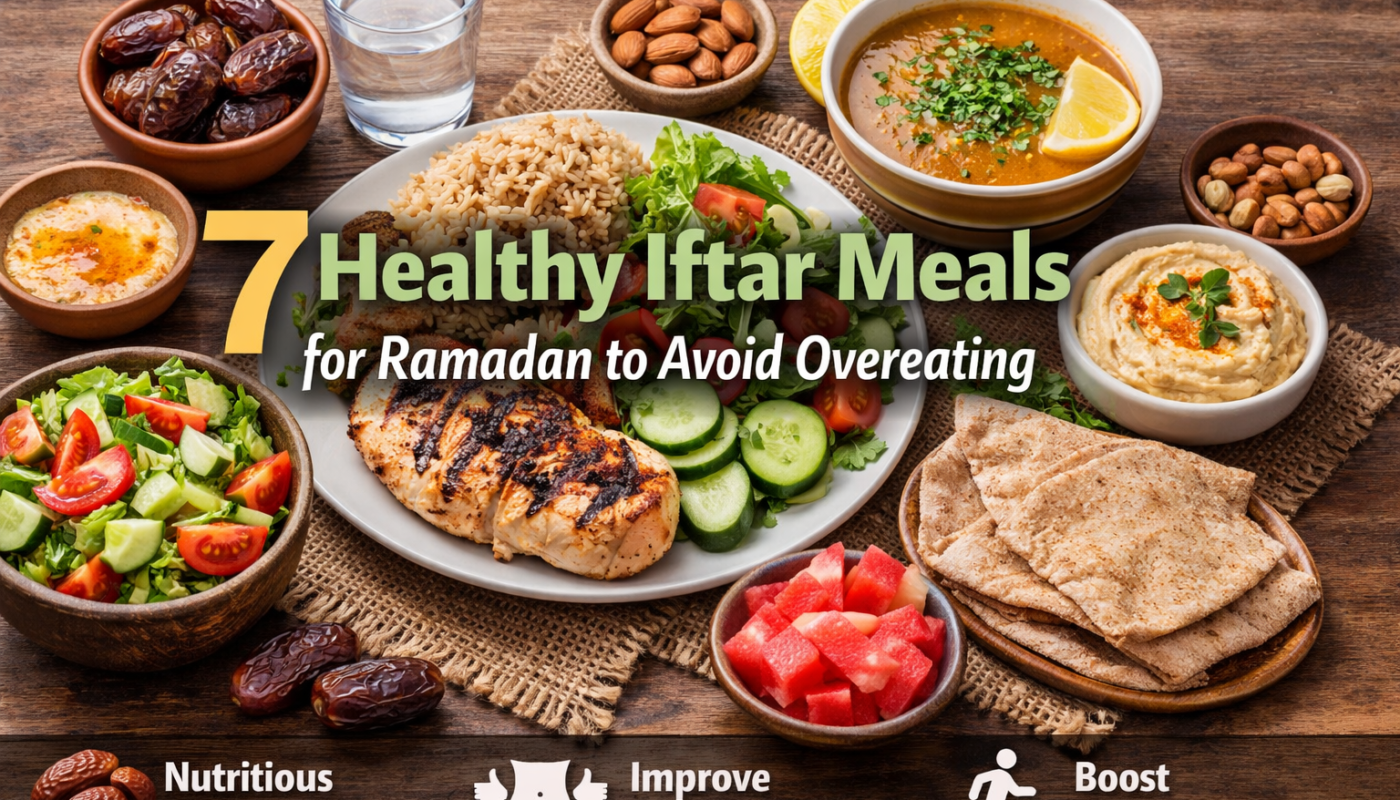
Healthy Iftar meals are one of the most important parts of maintaining energy and well-being during Ramadan. After fasting for many hours, the body needs nourishment — but it also needs balance. Eating too much or choosing very heavy foods can make you feel tired, bloated, and uncomfortable instead of refreshed.
Many people wait the whole day for Iftar and then eat very quickly or choose foods that are high in sugar and oil. While this might feel satisfying at first, it often leads to fatigue, stomach discomfort, and even weight gain during Ramadan.
A better approach is to focus on healthy Iftar meals that gently break the fast, restore energy, and support digestion. When you eat in a balanced way, you can enjoy your food while also keeping your body energized for evening prayers and daily activities.
In this guide, we will explore practical habits, common mistakes to avoid, and simple ways to build healthy Iftar meals that support your health throughout Ramadan.
For additional nutrition guidance during fasting, you can also read resources from Harvard Health Publishing.
Why Healthy Iftar Habits Matter
Developing healthy habits during Iftar is not just about avoiding weight gain. It is about helping the body transition from fasting to eating in the most natural and comfortable way.
During fasting hours, the body conserves energy and digestion slows down. When Iftar arrives, suddenly eating a very large or oily meal can shock the digestive system.
Healthy habits allow your body to adjust gradually.
Improves Digestion
Eating light and balanced foods allows your stomach to restart digestion smoothly. Foods like dates, soup, fruits, and vegetables are gentle on the stomach.
When digestion works well, you avoid problems like bloating, stomach pain, and acid reflux.
The Cleveland Clinic explains that slow eating and balanced meals support proper digestion:
Restores Energy Levels
After many hours without food or water, your body needs nutrients that provide steady energy.
Balanced healthy Iftar meals include:
-
Natural sugars (dates or fruit)
-
Protein (chicken, fish, eggs, legumes)
-
Healthy carbohydrates (rice, whole grains)
This combination helps maintain energy instead of causing a sudden crash.
Prevents Weight Gain
Many people actually gain weight during Ramadan because of overeating and consuming too many fried foods.
Choosing healthier meals and eating mindfully helps maintain a healthy weight while still enjoying traditional foods.
Reduces Discomfort
Heavy meals can lead to:
-
Stomach bloating
-
Sleepiness
-
Heartburn
-
Poor sleep
Healthy eating habits allow you to feel comfortable and energized for Tarawih prayers and evening activities.
Best Healthy Iftar Habits
Building healthy Iftar meals does not require complicated diets or strict restrictions. Small habits can make a huge difference in how you feel throughout Ramadan.
Break the Fast Gently
The best way to start Iftar is gently.
Traditionally, Muslims break the fast with dates and water, and this is also supported by nutrition science.
Dates provide natural sugars that quickly restore energy without overwhelming the stomach.
A simple healthy start might include:
-
1–3 dates
-
A glass of water
-
A small bowl of soup
After this, wait about 10–15 minutes before eating the main meal. This gives your stomach time to wake up and start digestion.
Many people find that when they pause briefly after breaking their fast, they naturally eat less later.
Eat Slowly and Mindfully
When you are very hungry, it is easy to eat quickly. However, fast eating often leads to overeating.
Your brain needs around 20 minutes to realize that you are full.
Practical tips for mindful eating:
-
Take small bites
-
Chew food properly
-
Put your spoon down between bites
-
Avoid eating while distracted by phones or TV
These simple habits help you enjoy your meal and prevent overeating.
Mindful eating is widely recommended by nutrition experts such as Mayo Clinic.
Build a Balanced Plate
One of the easiest ways to create healthy Iftar meals is to focus on balance.
A balanced Iftar plate usually contains:
Protein
-
Chicken
-
Fish
-
Eggs
-
Beans or lentils
Vegetables
-
Salad
-
Steamed vegetables
-
Vegetable soups
Healthy carbohydrates
-
Brown rice
-
Whole grain bread
-
Potatoes or sweet potatoes
Healthy fats
-
Olive oil
-
Avocado
-
Nuts
For example, a balanced Iftar meal could look like:
-
Grilled chicken
-
Brown rice
-
Fresh salad with olive oil
-
Lentil soup
This combination provides nutrients without feeling too heavy.
Avoid Heavy Fried Foods
Fried foods are very common during Ramadan but eating them every day can make you feel sluggish.
Foods like samosas, fried chicken, and deep-fried snacks contain large amounts of oil.
Eating too many fried foods can cause:
-
Bloating
-
Fatigue
-
Weight gain
Instead of frying, try healthier cooking methods such as:
-
Grilling
-
Baking
-
Air frying
-
Steaming
For example, baked samosas or grilled kebabs can be just as delicious but much healthier.
Take a Short Walk After Iftar
One simple habit that many people overlook is light movement after eating.
A short 10–15 minute walk after Iftar helps:
-
Improve digestion
-
Reduce bloating
-
Support metabolism
You do not need intense exercise. Even a relaxed walk around your neighborhood or home can make a big difference.
This habit also helps you feel more comfortable during evening prayers.
Iftar Mistakes to Avoid
Even when people try to eat healthy during Ramadan, certain common mistakes can still affect digestion and energy levels.
Recognizing these mistakes helps you create better healthy Iftar meals.
Overeating
After fasting all day, it is tempting to eat large portions.
However, overeating can lead to:
-
Extreme tiredness
-
Stomach discomfort
-
Poor sleep
Instead of one very large meal, consider dividing your evening food into two smaller meals:
-
Light Iftar
-
Later dinner after prayers
This approach is easier for digestion.
Sugary Drinks
Many Ramadan drinks contain high amounts of sugar.
Examples include:
-
Sweet juices
-
Soda
-
Syrups
-
Sweetened milk drinks
These drinks cause rapid blood sugar spikes followed by crashes.
A better choice is:
-
Water
-
Coconut water
-
Unsweetened juice
-
Lemon water
Hydration is very important after fasting.
According to World Health Organization (WHO) nutrition guidelines, limiting added sugars supports better health:
Eating Too Fast
Eating too quickly is one of the main reasons people overeat during Iftar.
Fast eating does not give your body enough time to register fullness.
Slow eating improves digestion and satisfaction.
Heavy Meals Late at Night
Some people skip balanced Iftar meals and then eat a very large meal late at night.
Late heavy meals can cause:
-
Poor sleep
-
Acid reflux
-
Weight gain
Try to finish large meals earlier in the evening and keep late snacks light.
Examples of healthy late snacks:
-
Yogurt with fruit
-
A handful of nuts
-
A banana
-
Whole grain toast
Practical Examples of Healthy Iftar Meals
To make things easier, here are some simple healthy Iftar meals you can try during Ramadan.
Example 1 – Light Traditional Iftar
-
3 dates
-
Water
-
Lentil soup
-
Grilled chicken
-
Salad with olive oil
Example 2 – Vegetarian Iftar
-
Dates and water
-
Vegetable soup
-
Chickpea salad
-
Brown rice
-
Yogurt
Example 3 – Quick Healthy Iftar
-
Fruit smoothie (no added sugar)
-
Whole grain wrap with grilled chicken
-
Fresh salad
These meals provide balanced nutrients while still being satisfying.
Hydration Tips for Ramadan
Healthy eating is only one part of good nutrition during Ramadan. Hydration is equally important.
Between Iftar and Suhoor, try to drink 6–8 glasses of water.
Helpful hydration tips:
-
Drink water gradually through the evening
-
Eat fruits with high water content (watermelon, oranges)
-
Avoid too much caffeine
Proper hydration helps prevent headaches, fatigue, and dehydration.
Conclusion
Healthy Iftar meals play a major role in maintaining energy, digestion, and overall well-being during Ramadan.
After long fasting hours, the body needs nourishment that is balanced, gentle, and nutritious. Breaking the fast slowly, eating mindfully, and choosing wholesome foods can help you avoid common problems like bloating, fatigue, and overeating.
Simple habits such as drinking water first, eating slowly, avoiding excessive fried foods, and taking a short walk after Iftar can greatly improve how you feel each evening.
Explore a wealth of related articles that will deepen your knowledge and spark your curiosity!
Ramadan is not only a time of spiritual growth but also an opportunity to build healthier eating habits. With the right approach, healthy Iftar meals can support both your health and your energy throughout the holy month. Remember: moderation and balance are the true keys to a healthy Ramadan.


Если вы представляете производственное предприятие и испытываете потребность в закупке лучших тугоплавких металлов, то ООО “РМС” — это ваше надежный выбор. Наша компания лидирует в сфере поставок редких металлов на протяжении десятилетий, что позволяет нам предоставлять только качественный продукт своим клиентам.
Любые объемы поставок.
Широкий ассортимент тугоплавких металлов.
Полное документальное сопровождение.
Круглосуточная поддержка.
Зачем мониторить рынок, если на rms-ekb.ru всегда все в наличии?
Если у вас возникли вопросы, наши специалисты всегда готовы проконсультировать вас.. Свяжитесь с нами прямо сейчас и убедитесь в уникальных преимуществах нашего продукта.
Каталог товаров:
Лист с заданными свойствами упругости 35НКТ 32x2000x6000 ГОСТ 14080-78