 by
by Introduction.
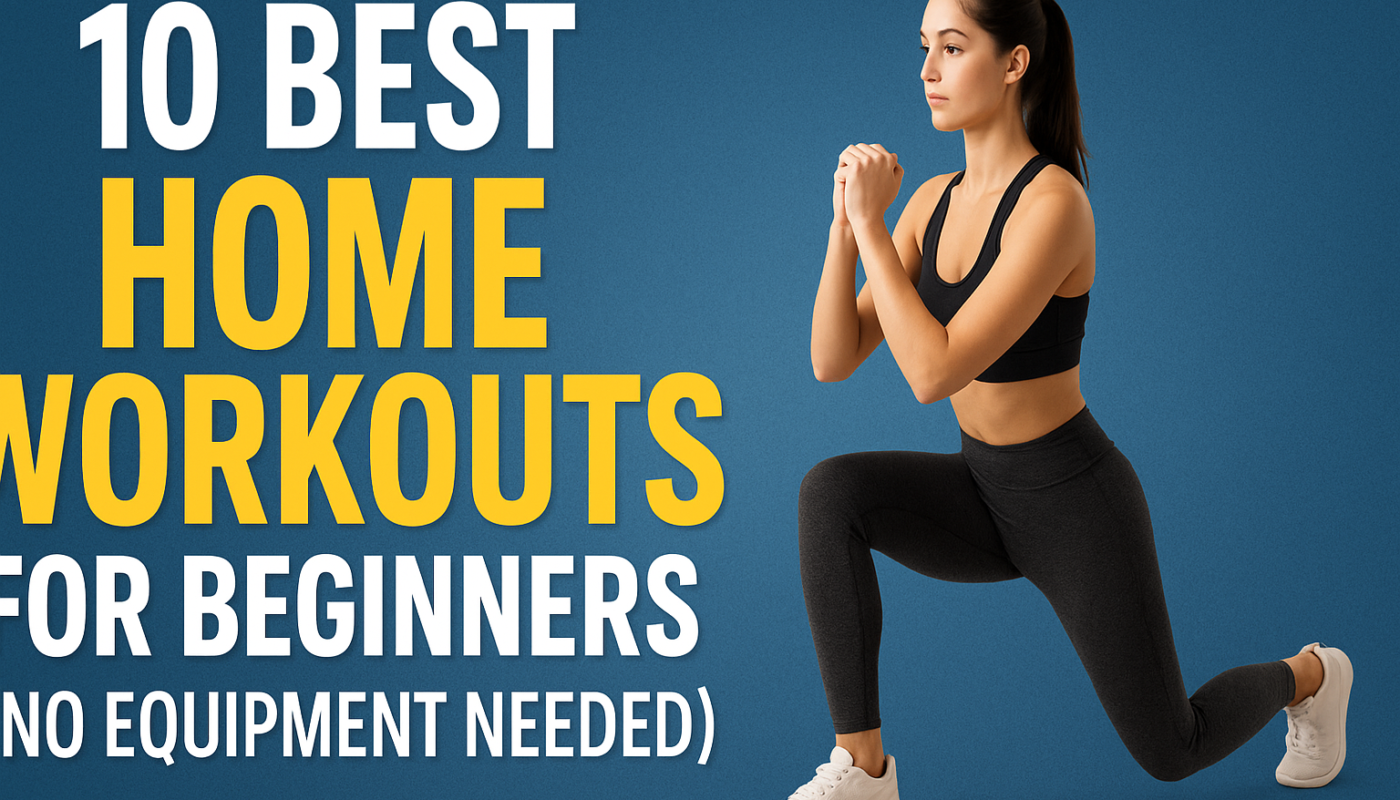
10 Best Home Workouts for Beginners (No Equipment Needed). It’s the perfect place to start if you want to get active without joining a gym. I’ve personally recommended these workouts to newbies who felt overwhelmed by fitness regimens, and the outcomes are always the same. Confidence rises swiftly when routines appear feasible. You don’t need machinery, high-cost equipment, or expert-level strength. What you need is consistency, patience, and the right beginner-friendly movements.
Why Home Workouts Are Effective for Beginners. From real experience, beginners succeed more at home because the environment feels safe and pressure-free. You can focus on learning proper form instead of worrying about being watched or judged. Home workouts also minimize excuses. When your workout space is your bedroom or living room, it’s easier to stay reliable, even on busy days. Fitness professionals often recommend bodyweight exercises first because they help beginners build balance, joint stability, and muscle control before adding resistance. This approach lowers injury risk and improves long-term results.
Below are the 10 Best Home Workouts for Beginners (No Equipment Needed). Commonly used in beginner fitness programs and physical training routines.
1. Jumping Jacks.
Jumping jacks are highly used by trainers as a warm-up because they activate multiple muscle groups quickly. Start with 20-30 seconds. If jumping feels uncomfortable, step side to side instead. This modification is often recommended for beginners or those protecting their knees.
2. Squats.
Squats strengthen the legs and glutes while improving everyday movements like sitting and standing.
A tip many coaches give beginners: keep your chest lifted and imagine sitting into a chair. Using a real chair behind you helps reinforce good form.
3. Lunges.
Lunges improve balance and coordination, which beginners often struggle with at first. Holding on to a wall is a smart adjustment used in beginner training programs. Stability comes first; depth comes later.
4. Push-ups.
Modified options. Upper body strength takes time. That’s why fitness experts often start beginners with wall or knee push-ups. These variations build strength safely and prepare your joints for more advanced versions in the future.
5. Plank Hold
Planks are a core staple used by personal trainers worldwide. They strengthen the abs, shoulders, and lower back together. Start small. Even 10 seconds done with the engagement form is far better than a longer plank with poor alignment.
6. Mountain Climbers.
Mountain climbers are excellent for cardio and core engagement. Beginners benefit from doing them slowly to maintain control. Speed is optional—form is not. Controlled movement protects your wrists and lower back.
7. Glute Bridge.
This exercise is often recommended by physical therapists because it strengthens the posterior chain safely. If you feel pressure in your lower back, pause and refocus on squeezing your glutes. Proper activation makes a big difference.
8. Wall Sit.
Wall sits are commonly used in beginner strength assessments because they build endurance without movement. Shaking legs is normal. It means your muscles are working. Increase time gradually to avoid strain.
9. High Knees.
High knees raise the heart rate and improve coordination. Trainers often suggest starting with a march to reduce impact. Focus on posture. Standing tall protects your spine and improves breathing.
10. Standing Toe Touch.
Stretching supports healing and flexibility. This stretch is especially useful for people who sit a lot during the day. Never force the movement. Gentle stretching reduces injury risk and improves mobility over time.
Tips for staying consistent.
Based on real beginner success stories, these habits make the biggest difference.
Start small. 10 minutes is enough to build momentum.
Stick to a schedule. Choose a time that realistically fits your daily routine.
Track progress. Seeing improvement builds motivation and trust in the process.
Listen to your body. Mild soreness is normal.Sharp pain is not.
Rest when needed. Recovery is part of progress, not a failure.
Conclusion.
The 10 best home workouts for beginners, no equipment needed, are proven safe and effective when done consistently. Start where you are, focus on proper form, and build gradually. With patience and commitment, these simple exercises can lead to lasting strength, confidence and better overall health.
or Visit


